Your first season in a farming simulator
The first season sets the tone for the whole farm. This guide walks through the early decisions that help new players build a steady foundation instead of an early cash crunch.
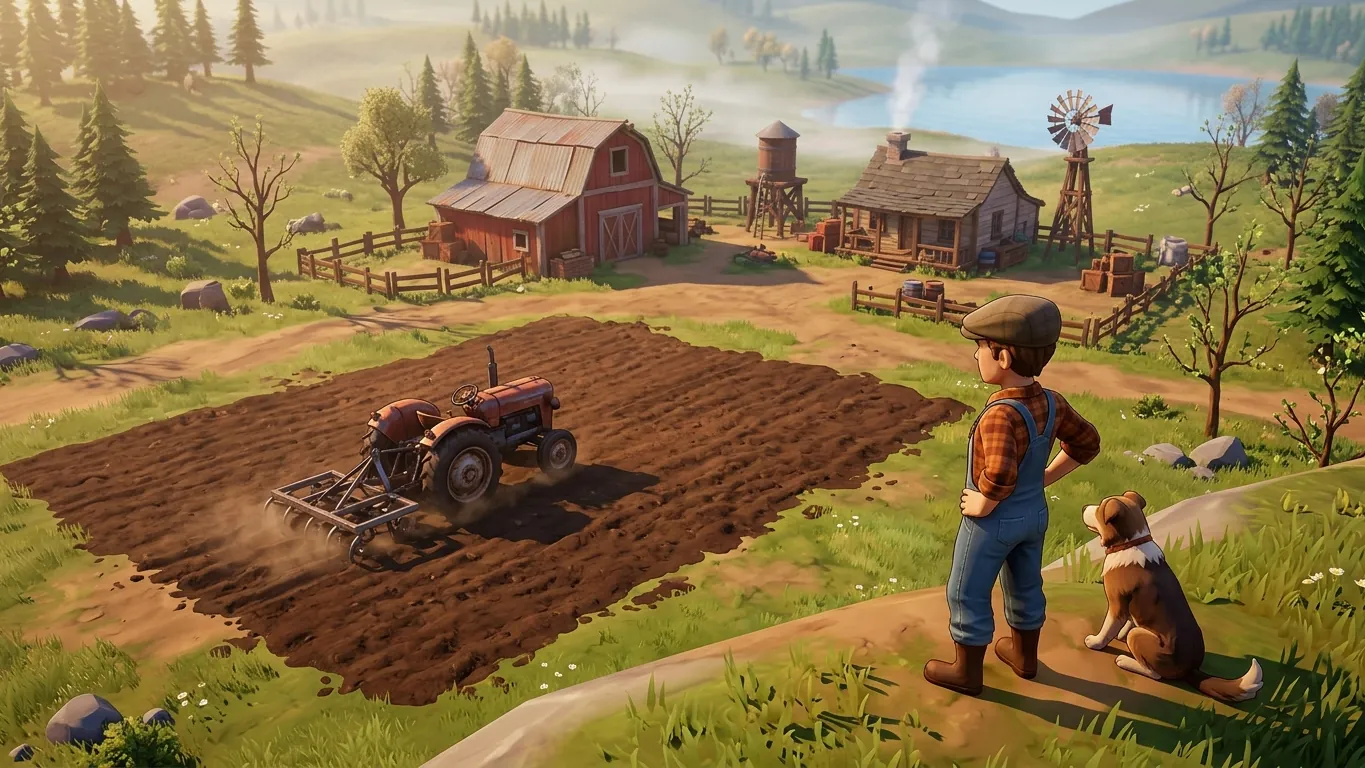
Start small and understand your map
Most farming simulators give you a modest starting farm, a few fields and a limited budget. It is tempting to buy more land right away, but the first season is better spent learning how your map works. Drive around and find the places where you can sell crops, buy seeds and fertilizer, and refuel. Note which selling points are close to your fields, because travel time adds up quickly over a full season.
Pay attention to field shapes too. Long, rectangular fields are easier to work with large machinery, while small or oddly shaped fields waste time on turns. If you get to choose a starting location, a compact cluster of fields near a road and a selling point is often more valuable than a single large field far away.
Treat money as your most limited resource
In the early game, cash flow matters more than anything else. Seeds, fuel, fertilizer and machinery maintenance all cost money, and income arrives only after harvest. Before you spend, think through the whole cycle: preparing the soil, sowing, caring for the crop, harvesting and selling.
Many games offer loans. A small loan can help you get through the first season, but interest reduces your profit, so borrow only what you have a clear plan to repay. Leasing or renting equipment for specific jobs, if your game allows it, can be cheaper than buying a machine you only use once a year. Keep a simple note of what you spend and earn each season, even if the game tracks it for you, because writing it down makes patterns easier to see.
Choosing your first crops
Grains such as wheat and barley are usually the easiest place to start. They need standard equipment, grow reliably and sell at most collection points. Specialized crops like potatoes, sugar beets or cotton can pay well, but they often require dedicated machinery that is expensive at the start.
Check the in-game calendar if your game uses seasons. Each crop has a sowing window and a harvest window, and missing them can mean waiting a full year. Plan your first planting so that harvests do not all land on the same few days, which is hard to manage with a single combine.
A simple first-season routine
This sequence works in many farming games and can be adapted to your map and crops.
- 01
Inspect your fields
Check the current state of each field: whether it is plowed, cultivated, already sown or ready to harvest.
- 02
Prepare the soil
Cultivate or plow as needed so the ground is ready for seeding.
- 03
Sow within the window
Plant crops during their sowing period and keep track of which field holds which crop.
- 04
Fertilize and manage weeds
If your game models fertilizer and weeds, apply them at the right growth stages to protect yield.
- 05
Harvest and store
Harvest on time and decide whether to sell right away or store the crop until prices look better.
- 06
Review the season
Compare costs and income, then decide what to change for next year.
Common early mistakes to avoid
The most common mistake is buying too much machinery too soon. A shiny new tractor feels like progress, but if it leaves you unable to pay for seeds, your fields sit empty. Another frequent issue is ignoring maintenance. Machines that wear down may break or work less efficiently, so check their condition between jobs.
New players also tend to sell everything at harvest. Prices often rise and fall, and if your game offers storage, keeping part of the crop for a better price can make a noticeable difference. Finally, do not be afraid to use hired workers or automation features if your game has them. They cost money, but they let you focus on planning while routine work continues.
The first season is about learning. Expect a few mistakes, keep notes and treat each harvest as a lesson for the next one.
Related articles
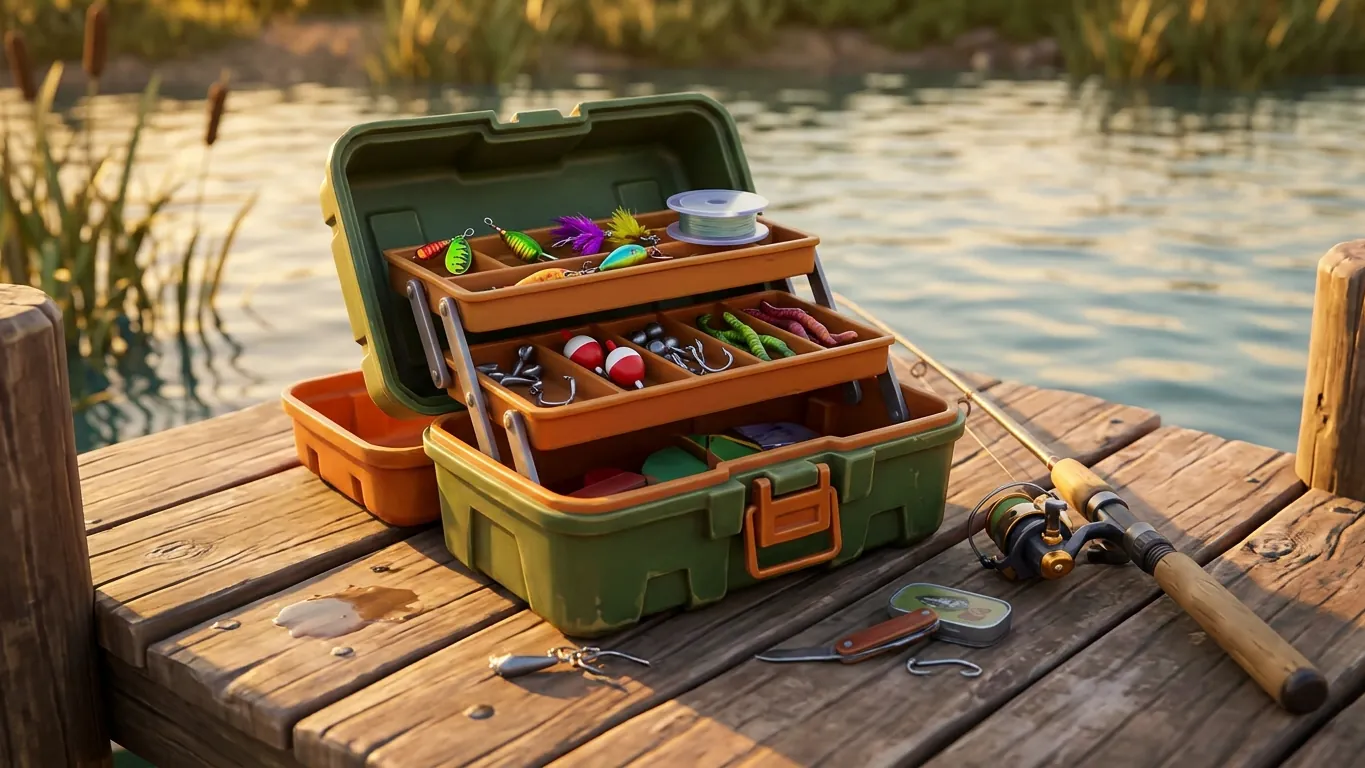 Fishing game basics: rods, lines, bait and lures
Learn the basics of tackle in fishing games: how rods, reels, lines, bait and lures work together and how to choose a setup for the fish you are after.
Read more
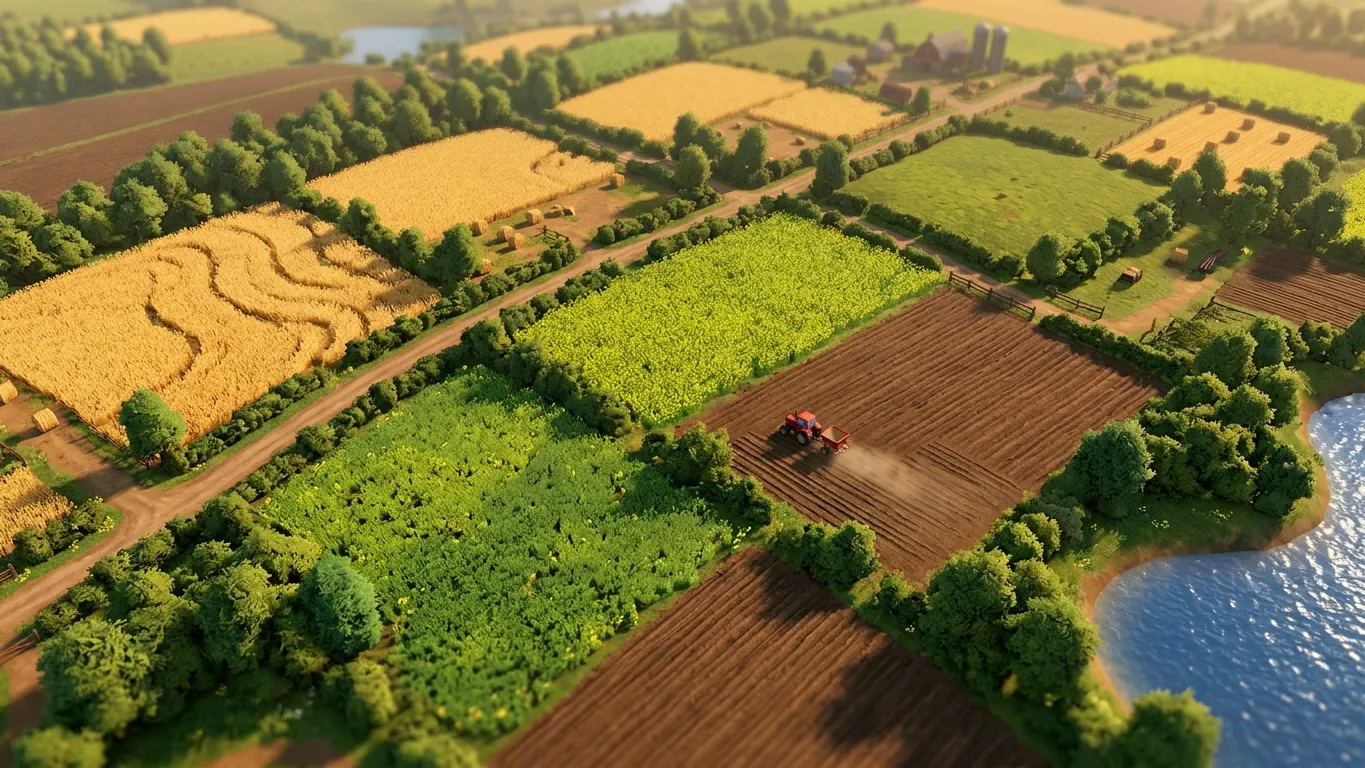 Crop rotation and soil mechanics explained
An explainer on crop rotation, fertilizer, lime and soil mechanics in farming simulators, and how planning field use across seasons can support yields.
Read more
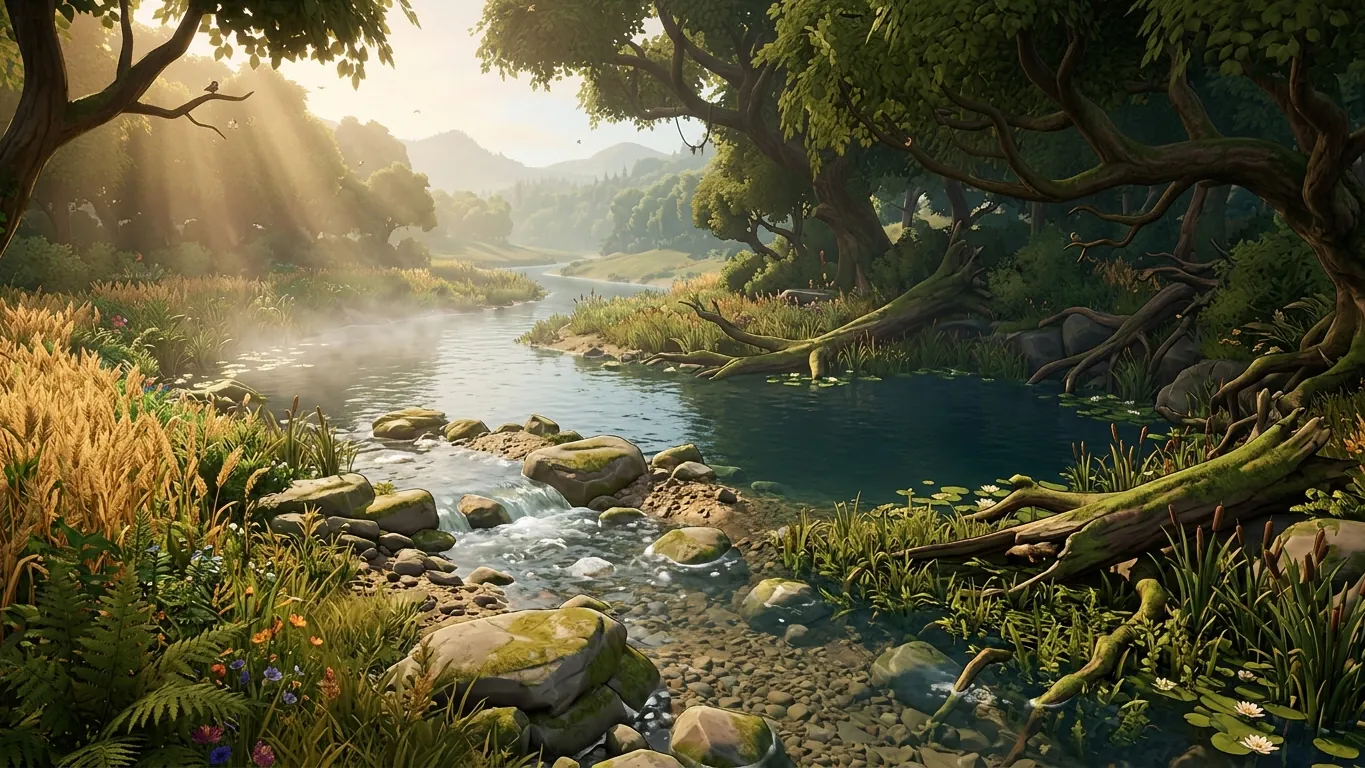 Reading the water: where fish hide in fishing games
Tips for finding fish in fishing games: reading depth, structure, weather and time of day so you spend less time waiting and more time getting bites.
Read more