Why slow outdoor games fit a busy schedule
Fishing and farming games move at a calm pace that suits players with jobs and families. This piece shares our view on why they work and how to make room for them.
Games that wait for you
Many popular games demand quick reactions, long uninterrupted sessions and regular play to keep up. For adults with work, family and household responsibilities, that can be hard to manage. Fishing and farming games are different. Most of them let you pause at almost any moment, they rarely punish you for stepping away and progress builds steadily over time.
In our opinion, that flexibility is one of the main reasons these genres appeal to grown-up players. You can play for an hour on a weekend, then come back days later and pick up right where you left off.
The appeal of steady progress
There is real satisfaction in watching something grow. A field goes from bare soil to a ripe crop. A small starter farm turns into a well-organized operation. A fishing log fills with species caught in different conditions. These games reward consistency rather than intensity.
That sense of progress feels familiar to anyone who enjoys practical hobbies like gardening, woodworking or real fishing. The game becomes a calm space to plan, build and see results, without needing to compete with anyone.
Fitting sessions into your week
A few simple habits help slow games fit into a full schedule.
- 01
Set a session goal
Decide what you want to finish, such as harvesting one field or trying a new fishing spot.
- 02
Use natural stopping points
End sessions after a completed job so it is easy to resume later.
- 03
Keep short notes
Write a line about what you were doing so you do not lose track between sessions.
- 04
Choose the right game for the time
Keep a short-session game for weeknights and a deeper simulator for free weekends.
- 05
Share it
Invite a friend or family member to join a co-op farm or fishing trip in the game.
Balance matters
Slow games are relaxing, but any hobby works best in balance with the rest of life. Their calm pace can make it easy to lose track of time, especially during a long harvest or a quiet evening on the lake. Setting a rough end time before you start helps keep gaming a pleasant break rather than something that cuts into sleep or family time.
These games can also be a nice bridge to real outdoor activities. Some players find that a virtual fishing trip makes them want to visit a real lake, or that managing a game farm sparks curiosity about gardening. That connection is part of what this blog is about.
Our view
We think fishing and farming games deserve more credit as hobbies for busy adults. They respect your time, reward patience and offer a quiet sense of accomplishment. They do not need to be played every day to be enjoyed.
If you have been looking for a game that fits around your life instead of competing with it, these genres are worth a try. Start with something simple, play at your own pace and see where the season takes you.
Related articles
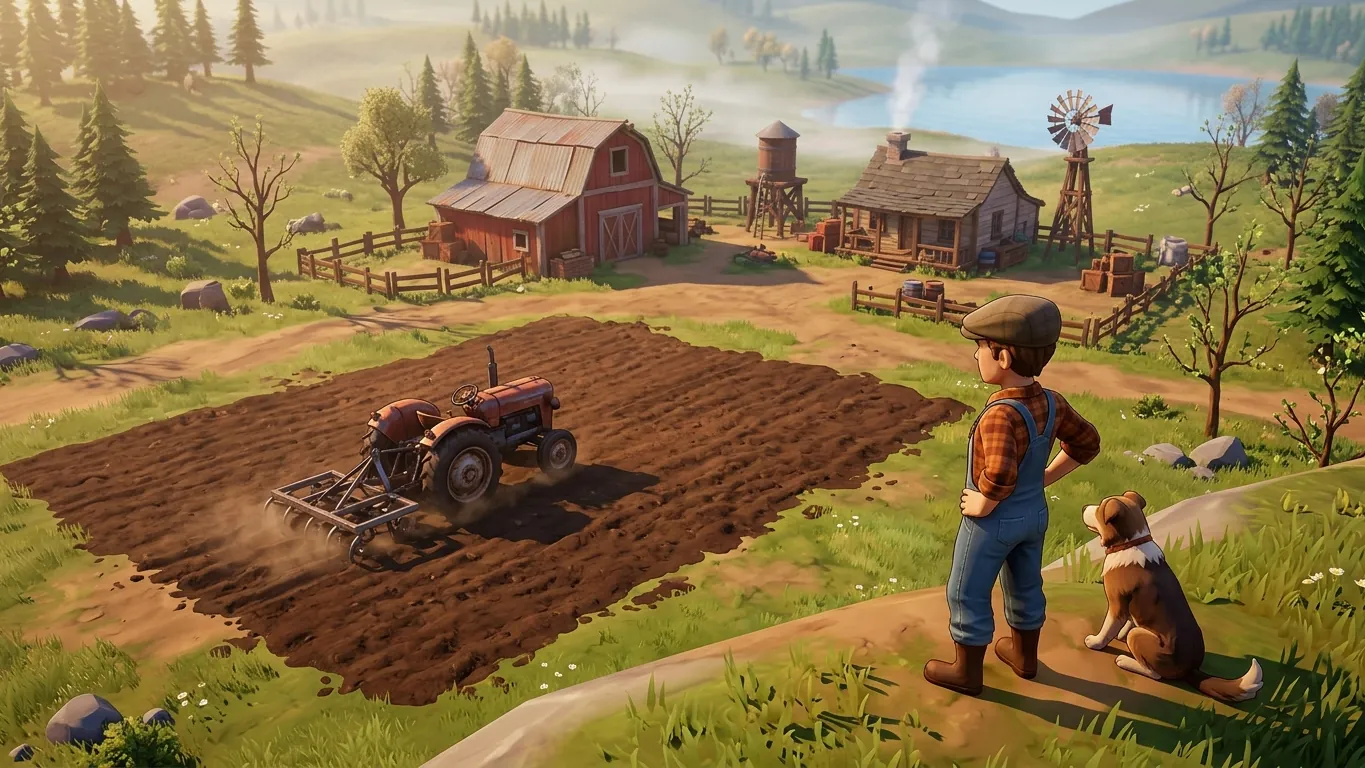 Your first season in a farming simulator
A practical guide to your first season in a farming simulator: choosing a starting field, managing money, picking crops and avoiding common early mistakes.
Read more
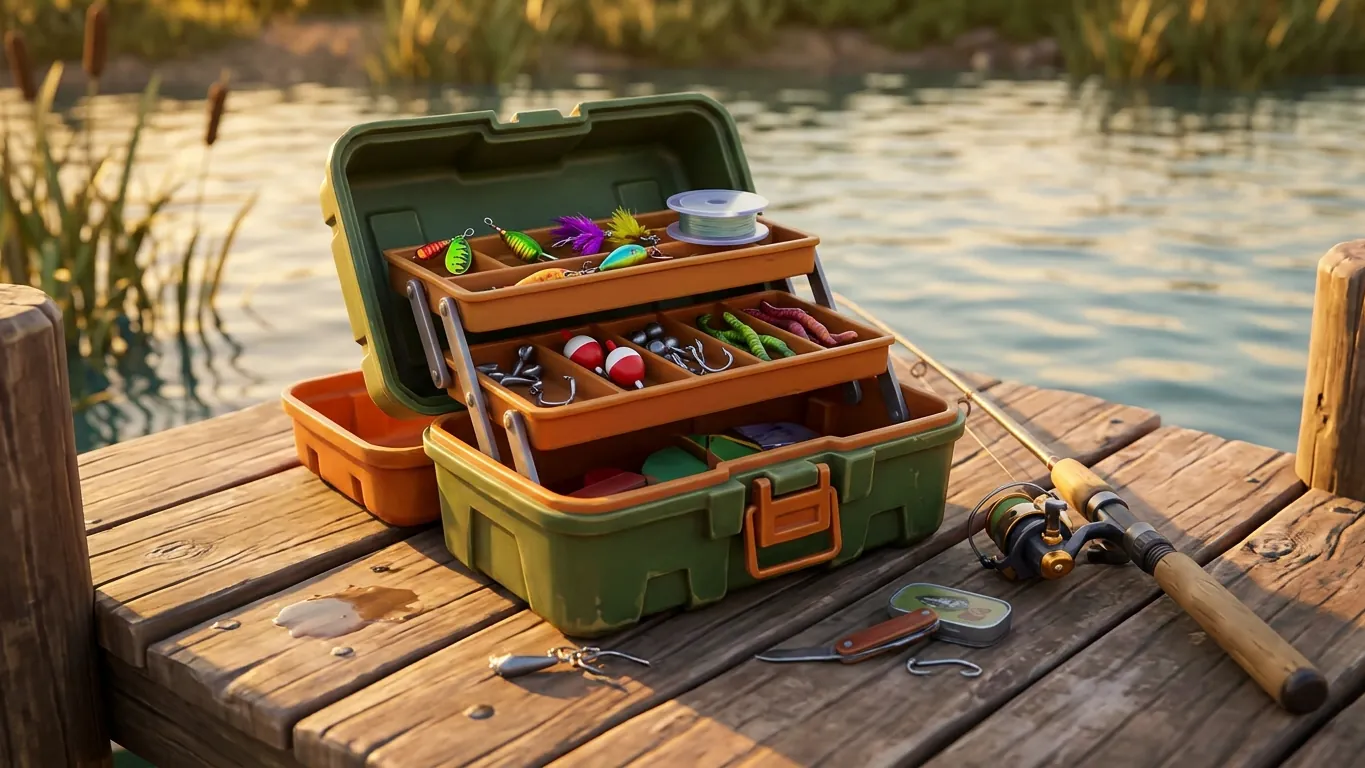 Fishing game basics: rods, lines, bait and lures
Learn the basics of tackle in fishing games: how rods, reels, lines, bait and lures work together and how to choose a setup for the fish you are after.
Read more
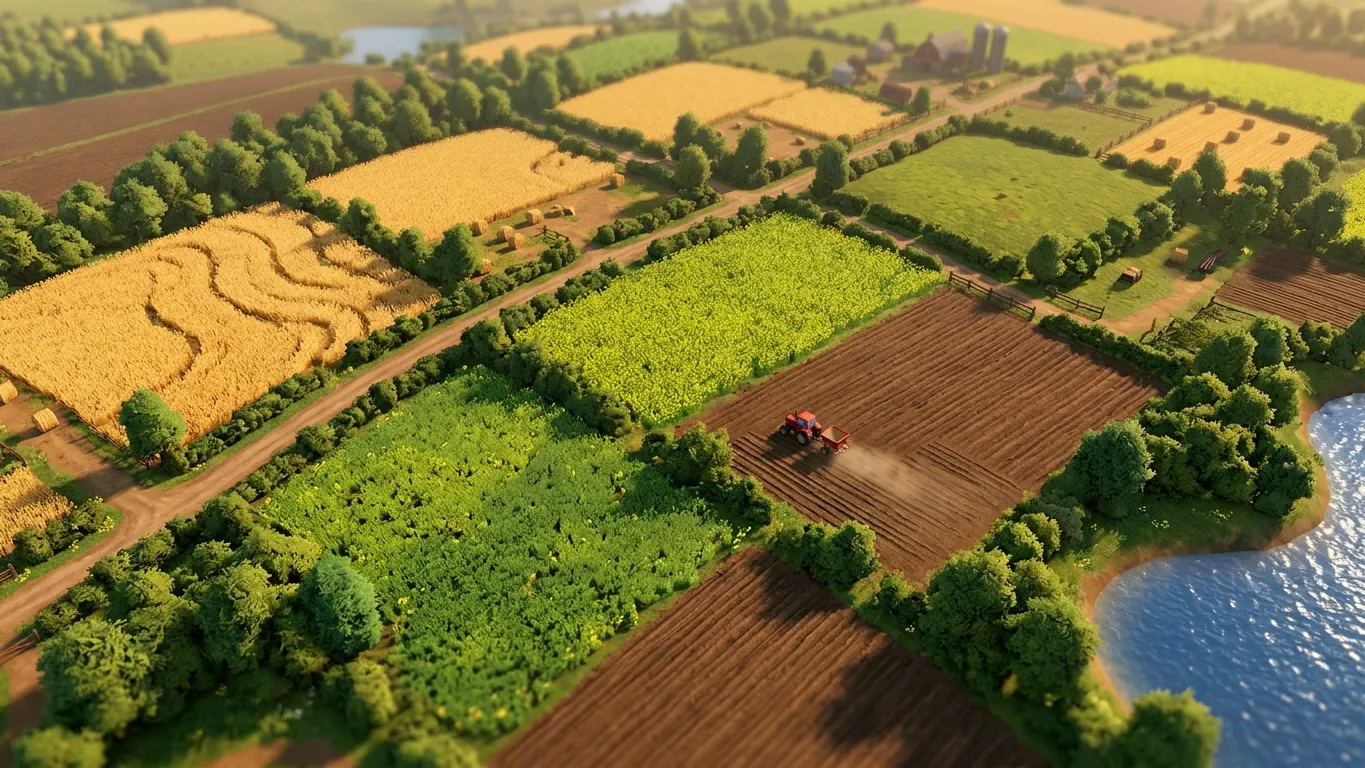 Crop rotation and soil mechanics explained
An explainer on crop rotation, fertilizer, lime and soil mechanics in farming simulators, and how planning field use across seasons can support yields.
Read more